


Kitchens and bathrooms have become the most expressive rooms in the home. They are no longer simply functional spaces; they are curated environments where craftsmanship, materiality, and lifestyle intersect. Some of our most recent and compelling projects reflect a refined balance between innovation and restraint — a hallmark of strong interior design.
Drawing from current custom projects and broader design movements shaping 2025 and beyond, here’s what defines kitchen and bath design right now.
Warm Minimalism: Clean, But Never Cold
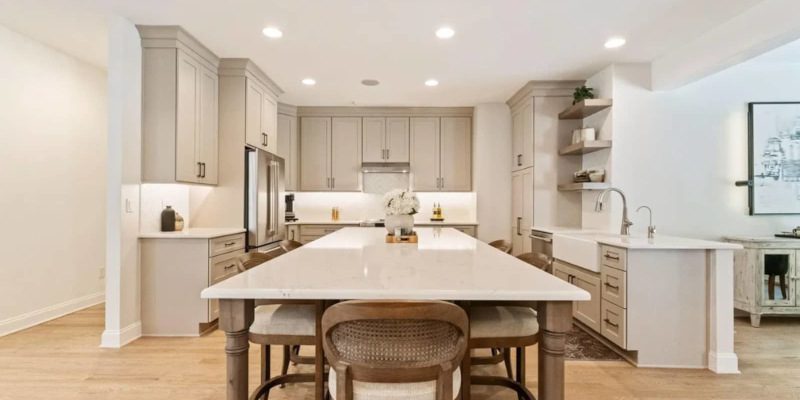
Minimalism is evolving. The stark whites and hard edges that once defined contemporary kitchens are giving way to warmth — layered textures, soft tonal shifts, and natural materials that feel grounded.
In kitchens, this often appears as flat-panel cabinetry in soft oak, walnut, or warm painted finishes paired with subtly veined quartz or natural stone. The effect is streamlined yet welcoming. A skilled kitchen designer understands that minimalism succeeds when it is balanced with texture and proportion, not just simplicity.
Bathrooms reflect this same philosophy. Floating vanities in wood tones, honed stone surfaces, and matte fixtures create calm without sterility. The goal isn’t emptiness; it’s clarity. When executed thoughtfully, this approach embodies the best of contemporary interior design — purposeful, edited, and enduring.
Elevated Storage: Seamless Function
Function has become more intelligent and more discreet. Custom cabinetry is expected to work harder while appearing quieter.
Deep drawers with internal organization systems, vertical tray storage, concealed appliance garages, and integrated pantry walls are now standard features in higher-end kitchens. A kitchen designer today must think beyond layout; they must choreograph movement, storage, and sightlines simultaneously.
In bathrooms, vanities include hidden electrical outlets, drawer dividers for grooming tools, and built-in linen towers that blend seamlessly into surrounding millwork. Clutter is no longer desired visually; everything has its place.
The defining shift? Storage is integrated into the architecture of the room, not added after the fact.
Confident Color and Grounded Neutrals
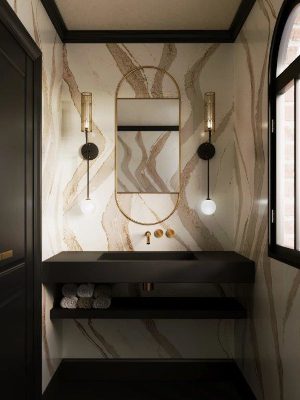 The all-white kitchen era has softened. While light palettes remain popular, color is being introduced with confidence and intention.
Deep greens, warm navy, charcoal, and even muted terracotta are appearing on cabinetry and islands. These tones provide contrast and depth, especially when paired with brushed brass, aged bronze, or matte black hardware. A thoughtful kitchen designer will often ground these richer colors with lighter countertops or natural wood elements to maintain balance.
Bathrooms are embracing tonal layering as well — warm taupe, clay, and sand hues that feel organic rather than stark. Rather than dramatic contrast, many homeowners are choosing cohesive, enveloping palettes that create a retreat-like atmosphere.
Color, when handled with restraint, elevates interior design without overwhelming it.
Statement Islands and Sculptural Focal Points
The kitchen island remains the anchor of the space, but its presence is becoming more architectural.
Waterfall edges in quartzite or marble, reeded wood detailing, and contrasting cabinet finishes turn islands into sculptural features. Beyond aesthetics, they function as prep zones, gathering spaces, and casual dining areas. A seasoned kitchen designer knows that proportion is everything; the island must command attention without dominating circulation.
In bathrooms, the freestanding tub has reemerged as the sculptural centerpiece. Clean silhouettes and matte finishes create a spa-like focal point, particularly when positioned against textured tile.
These elements reflect a broader interior design trend: form and function are no longer separate conversations.
Texture as a Design Language
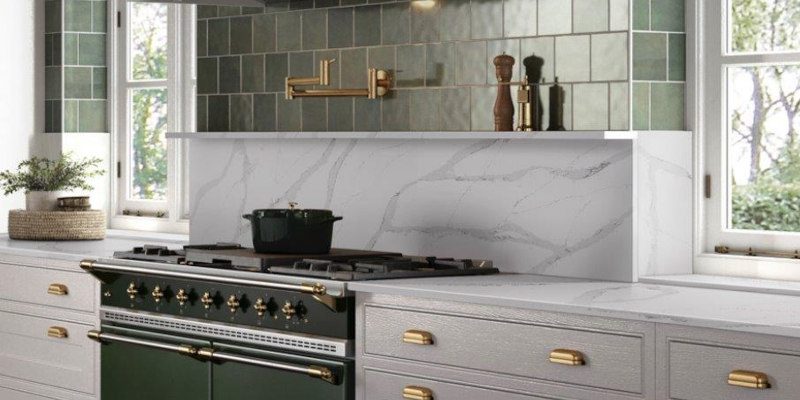
Smooth and glossy surfaces are giving way to materials with depth. Texture is playing a central role in defining custom spaces.
In kitchens, designers are pairing flat cabinetry with textured backsplash tile, natural stone with visible movement, and wood grains that add subtle dimension. Reeded island panels and reeded glass cabinet inserts introduce tactile interest without excess ornamentation.
Bathrooms lean into handcrafted tile, zellige finishes, and mixed stone applications. These surfaces catch light differently throughout the day, giving the room quiet dynamism.
Texture has become one of the most effective tools in interior design, offering sophistication without relying solely on color or pattern.
Integrated Technology, Quietly Done
Smart features are expected, but they are increasingly invisible.
Touchless faucets, concealed charging stations, under-cabinet lighting, and smart appliances are integrated seamlessly into cabinetry and millwork. In bathrooms, heated flooring, backlit mirrors, and programmable shower systems enhance comfort without visual distraction.
A modern kitchen designer must collaborate closely with builders and electricians to ensure technology enhances usability without disrupting aesthetics. The best designs hide complexity behind clean lines.
Technology should feel intuitive, not obvious.
Spa-Inspired Bathrooms
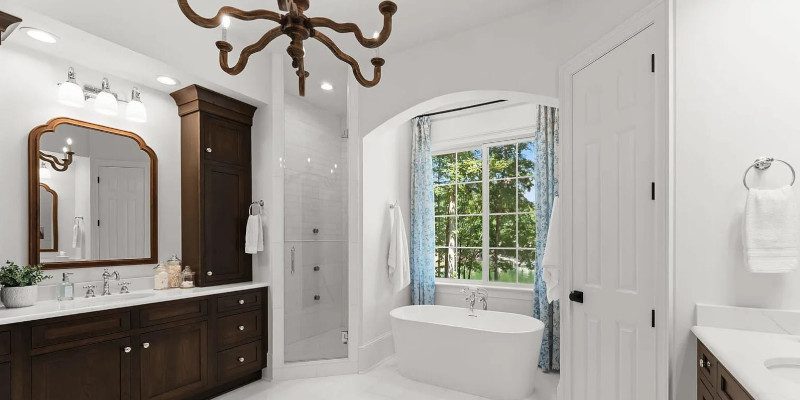
Bathrooms continue to evolve into personal wellness retreats.
Curbless showers with large-format tile, integrated bench seating, and frameless glass enclosures create openness. Warm wood accents and layered lighting soften the space. Many homeowners are opting for oversized shower niches and dual vanities that emphasize both luxury and practicality.
The emphasis is on serenity. Strong interior design in these spaces avoids visual noise and prioritizes proportion, scale, and lighting temperature.
The result is a room that restores, not just serves.
Timelessness as the Ultimate Trend
Perhaps the most important shift is the move toward longevity. While trends influence material choices and detailing, homeowners are increasingly investing in spaces that will feel relevant for decades.
Natural materials, quality cabinetry construction, thoughtful layouts, and restrained palettes ensure durability in both performance and style. A trusted kitchen designer understands that trend awareness must be balanced with long-term livability.
The most successful kitchens and bathrooms do not chase design movements — they interpret them selectively.
At its best, interior design is not about spectacle. It is about refinement. It is about creating rooms that feel considered, functional, and quietly luxurious.
And in today’s custom kitchens and baths, that balance has never been more compelling.